What to Test Your Well Water For (and Which Test to Buy)
By Kim Klaver. Last updated
Disclosure: Some links on this page are affiliate links. If you buy through them, we may earn a commission at no extra cost to you. It does not change what we recommend. Read our disclosure.
If your water comes from a private well, nobody else is checking it. That job is yours.
The CDC says it plainly: EPA rules for public water systems do not apply to private wells, and government officials do not regulate, treat, or monitor them. CDC
You are not alone. More than 43 million people in the U.S. get their drinking water from private wells. USGS
The short answer
Test at least once a year for these four, per the CDC:
- Total coliform bacteria. A warning sign that germs from soil, sewage or animals may be getting in.
- Nitrates. Can make people sick, especially babies. Sources include fertilizer, septic systems and animal waste.
- Total dissolved solids (TDS). How much "stuff" is in the water. High levels can cause scale and odd taste.
- pH. How acidic or basic the water is. Water that is too acidic or too basic can damage pipes, and damaged pipes can leak metals like lead.
Then ask your local health department what else to test for where you live. CDC
What else might matter in your area
The CDC lists these as things to ask your health or environmental department about:
- Arsenic
- Lead
- Mercury
- Radium
- Volatile organic compounds (fuel and industrial chemicals)
- Pesticides or herbicides
What you need depends on where your well is, your state or region, and whether you are rural or urban.
You can also call the EPA Safe Drinking Water Hotline at (800) 426-4791.
Test again right away if
The CDC says to test outside your yearly schedule when:
- Your water's taste, color or smell changes
- There is flooding, land disturbance or a waste site near your well
- You repair or replace any part of your well system
- Someone in your home becomes pregnant
- A child comes to live with you
- You hear about well problems in your area
Your three options for testing
1. Your local or state health department
Local and state health or environmental departments often test for nitrates, coliform bacteria, VOCs and pH, and can give you a list of certified labs. CDC
This is often the cheapest place to start. Call your county health department first.
2. A state-certified lab near you
The CDC recommends a state-certified laboratory. The EPA keeps a list of each state's certification contacts so you can find one. EPA
3. A mail-in lab test kit
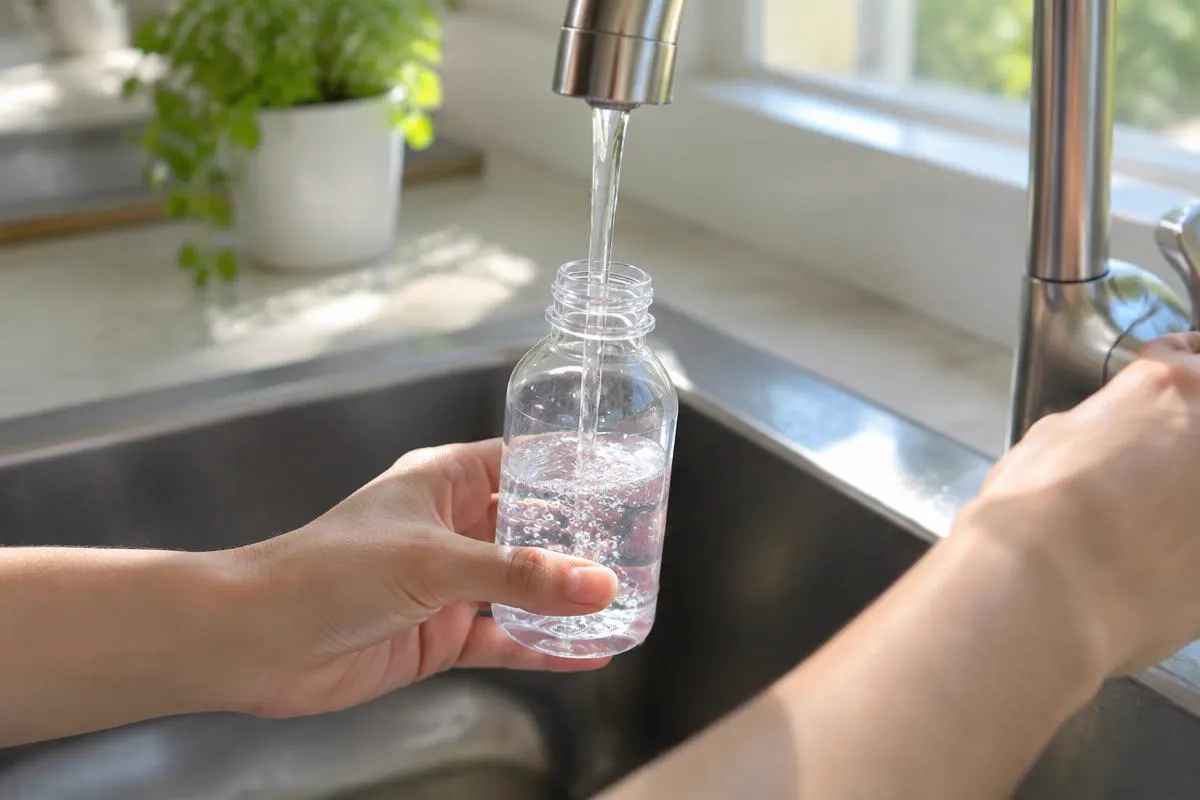
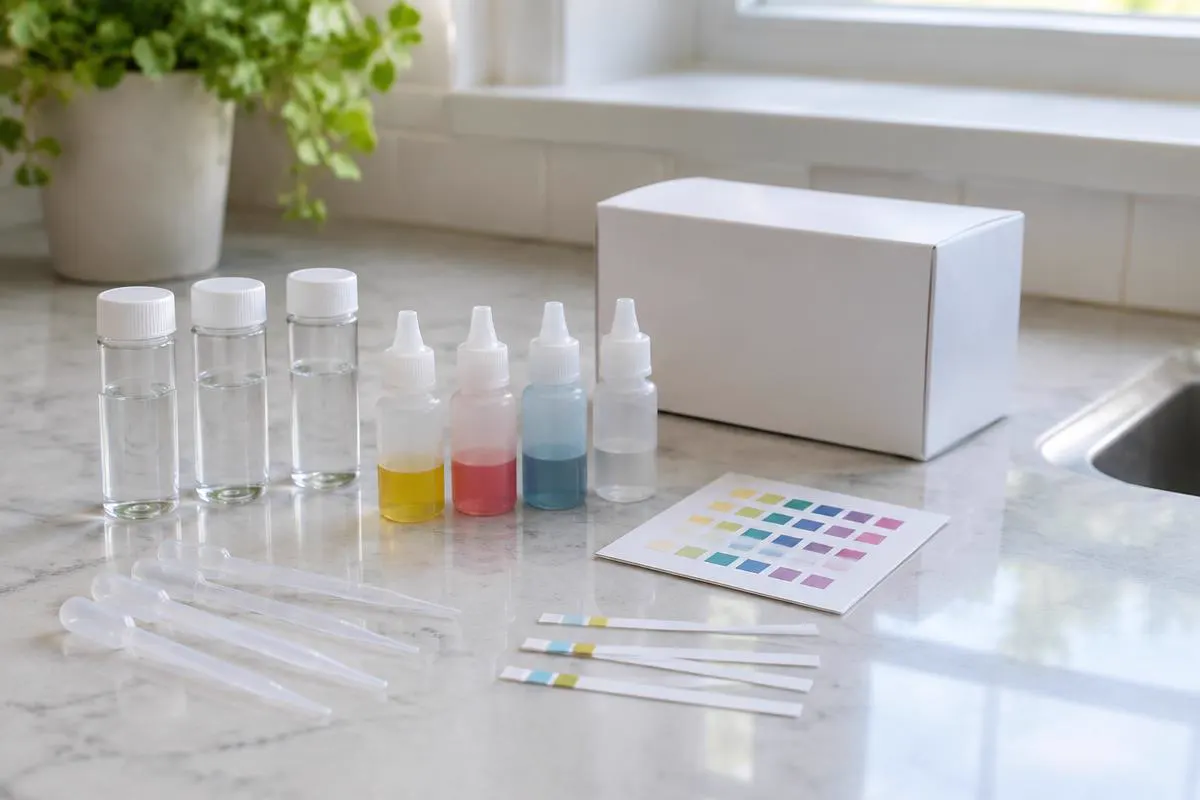
If you want a wide panel and a report you can read without calling anyone, a mail-in kit is the easy route. You collect the sample at home and ship it to a lab.
We use Tap Score as the example here because its well tests are built around the problems well owners actually have. Prices below are from mytapscore.com as of October 22, 2026. Check the site for current prices.
| Test | Price | Good fit for |
|---|---|---|
| Essential Well Water Test | $209 | Yearly check, basic safety |
| Advanced Well Water Test | $399 | New home, unknown well, or you plan to buy a filter |
| Extended Well Water Test | $1,125 | Known contamination nearby, or you want the widest panel |
See Tap Score's well water tests (affiliate link)
Before you buy, compare the contaminant list on the product page with what your health department told you to test for. Make sure the kit covers the CDC's four basics and anything specific to your area.
How to pick
- Just want the yearly check? Start with your health department, or a basic well panel.
- Buying a house or new to this well? Get a broader panel. You only know what you test for.
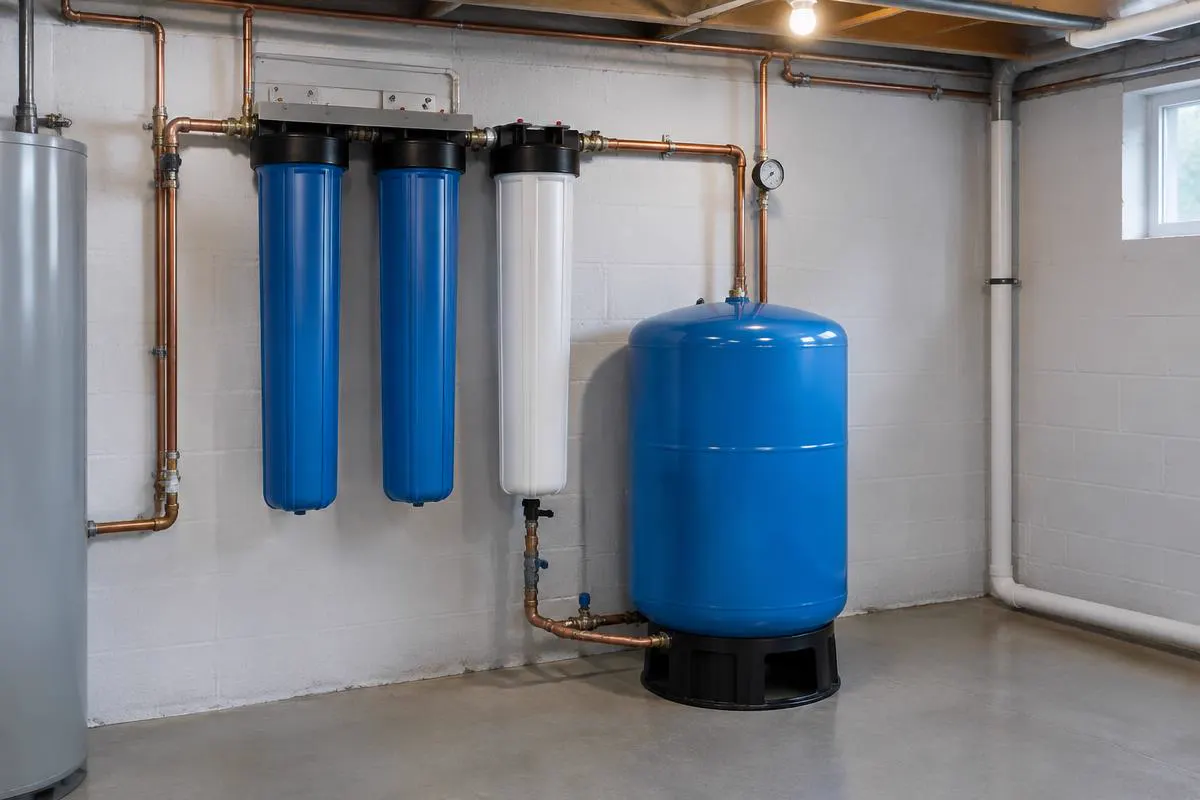
- Planning to buy a whole-house filter or softener? Test first. Iron, manganese, sulfur, hardness and pH decide which system you need. Buying a system before you test is how people end up with the wrong one.
- Pregnant, or a baby in the home? Do not skip nitrates and bacteria.
After you get results
If results show harmful germs or chemicals, the CDC says to consider bottled water or another safe source, and to contact your local health or environmental department. They can explain the results and next steps. CDC
Coming next on this site: how to read each line of your results, and which treatment fits which problem.
Sources
- CDC, Guidelines for Testing Well Water: https://www.cdc.gov/drinking-water/safety/guidelines-for-testing-well-water.html
- USGS, Domestic (Private) Supply Wells: https://www.usgs.gov/mission-areas/water-resources/science/domestic-private-supply-wells
- EPA, Private Drinking Water Wells: https://www.epa.gov/privatewells
- EPA, Certification program and certified lab contacts: https://www.epa.gov/dwlabcert/contact-information-certification-programs-and-certified-laboratories-drinking-water
This page is general information, not medical advice. For health questions about your water, contact your local health department.